Craft
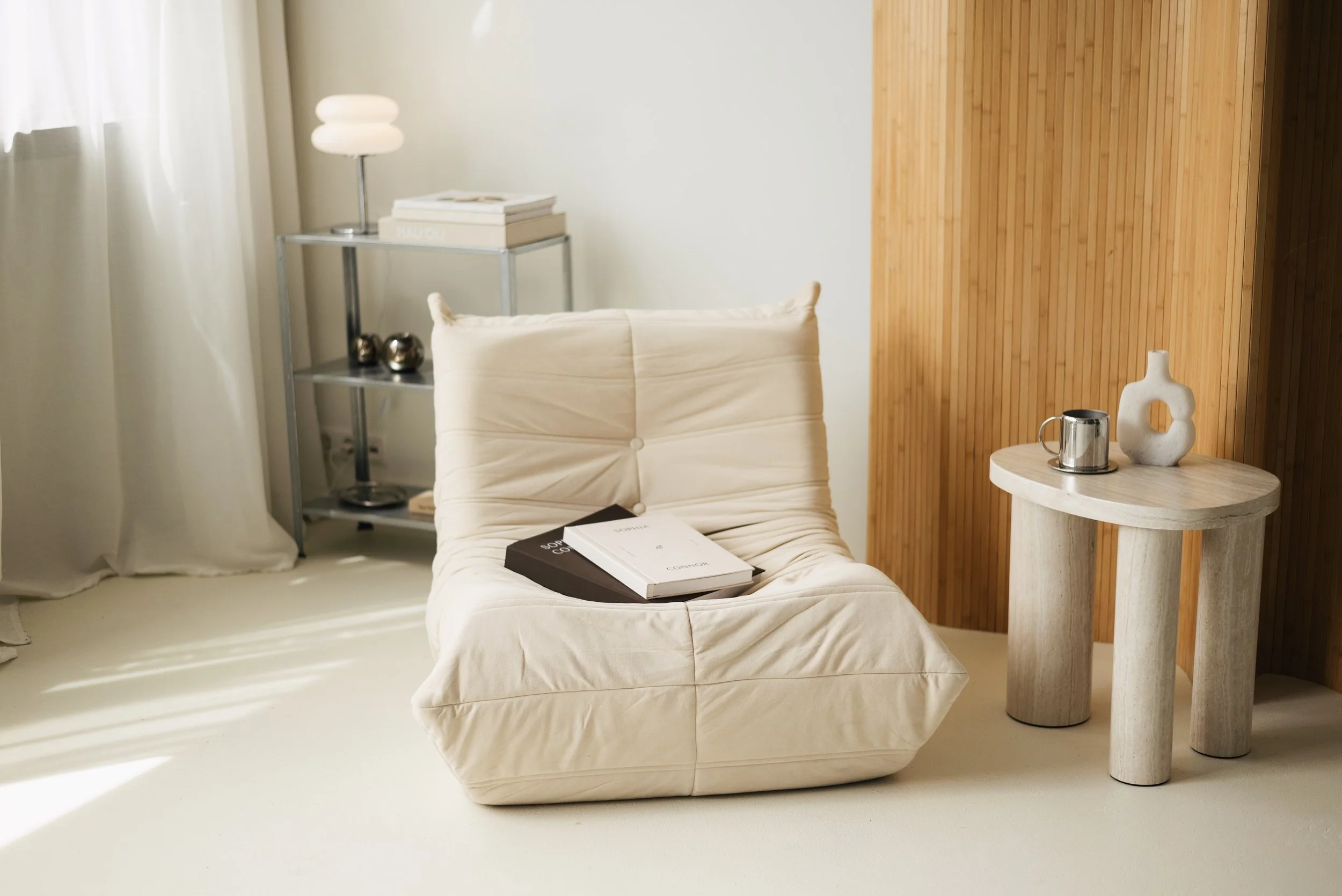
How the books are made. The materials, the binding, and the partners who shape them into the objects that arrive at your door.
The standard.
Built to outlast every trend in wedding photography.
Not every book uses the same materials. Each book uses the right materials for the kind of object it is becoming. The Signature turns the way a coffee table book should turn. The Atelier opens completely flat, so a portrait spread never folds at the spine. The Monograph is bound the way museum editions are bound, with the weight and permanence of something meant to be handed down.
The standard is not a single specification. It is the discipline of choosing the right one, for every book.
The papers.
The paper inside a book determines everything. How the photograph renders, how the page turns, and how the book feels in your hands twenty years from now.
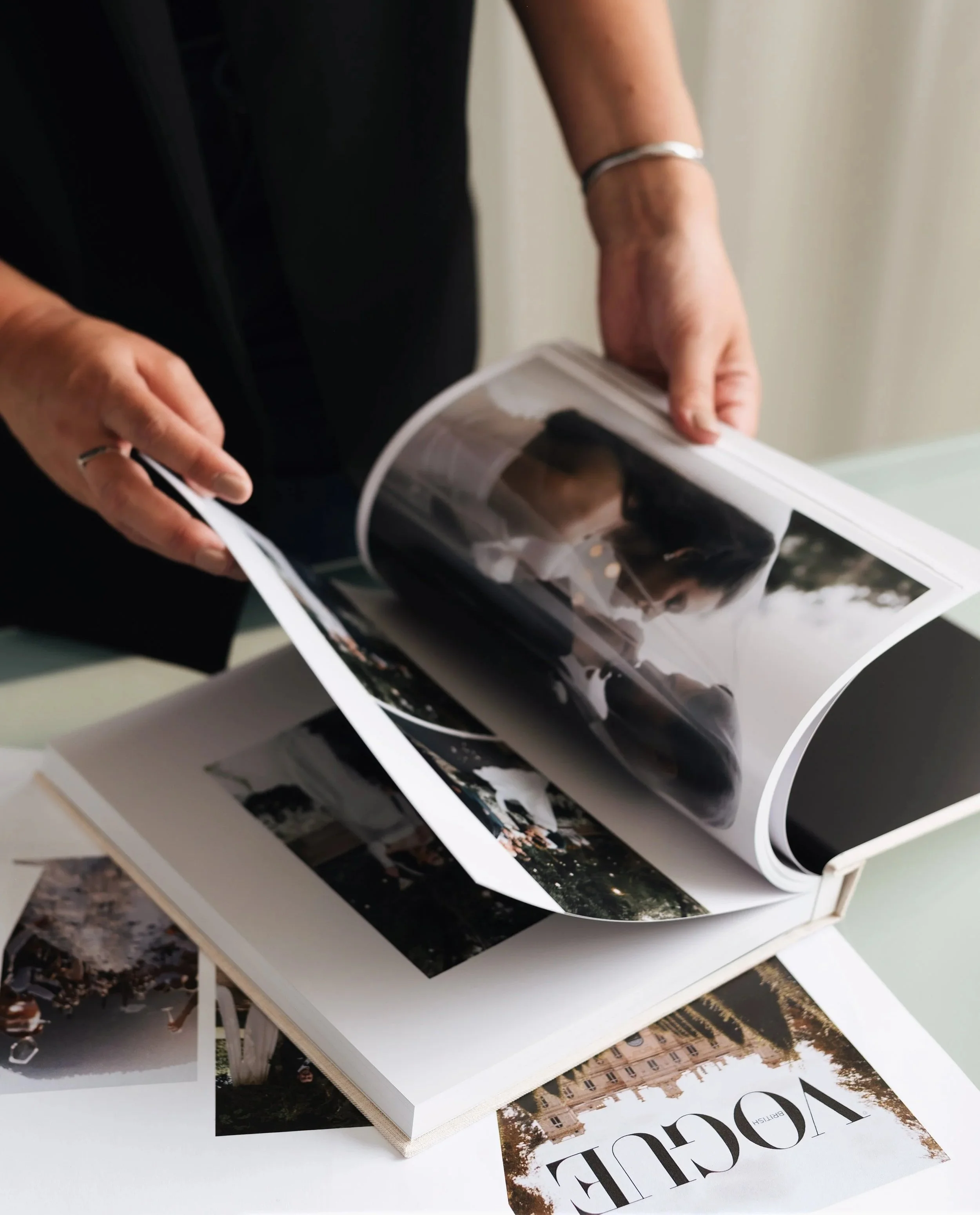
The Signature and The Atelier are printed on silver halide photo paper: the archival substrate used by the labs that print for wedding photographers whose work hangs in galleries. Skin tones come through true. The blacks are deep, the whites stay warm. It renders your photographer's work the way it looked on his screen.
The Monograph is printed on museum grade art paper from Saxony, in the east of Germany. Produced under ISO 9706 testing for archival permanence and Forest Stewardship Council certification for sustainable sourcing. This is not photographic paper. This is fine art paper, the kind used by galleries when they sell a print as an edition. Under correct conditions, it is rated to last more than one hundred years without yellowing or fading. The photographs you commit to a Monograph in your thirties will look the same when your grandchildren open it in their fifties.
The binding.
A book is only as good as how it is held together.
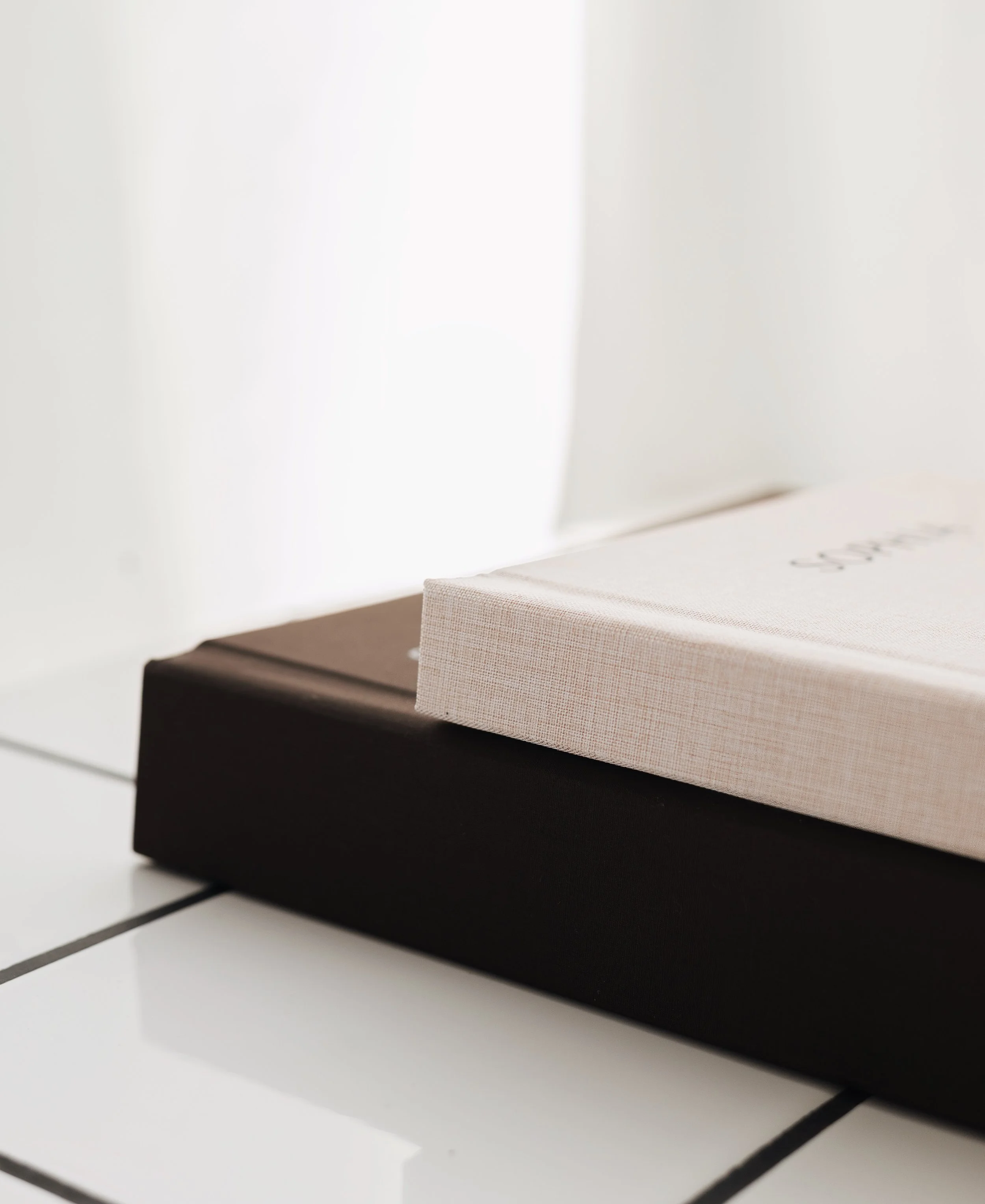
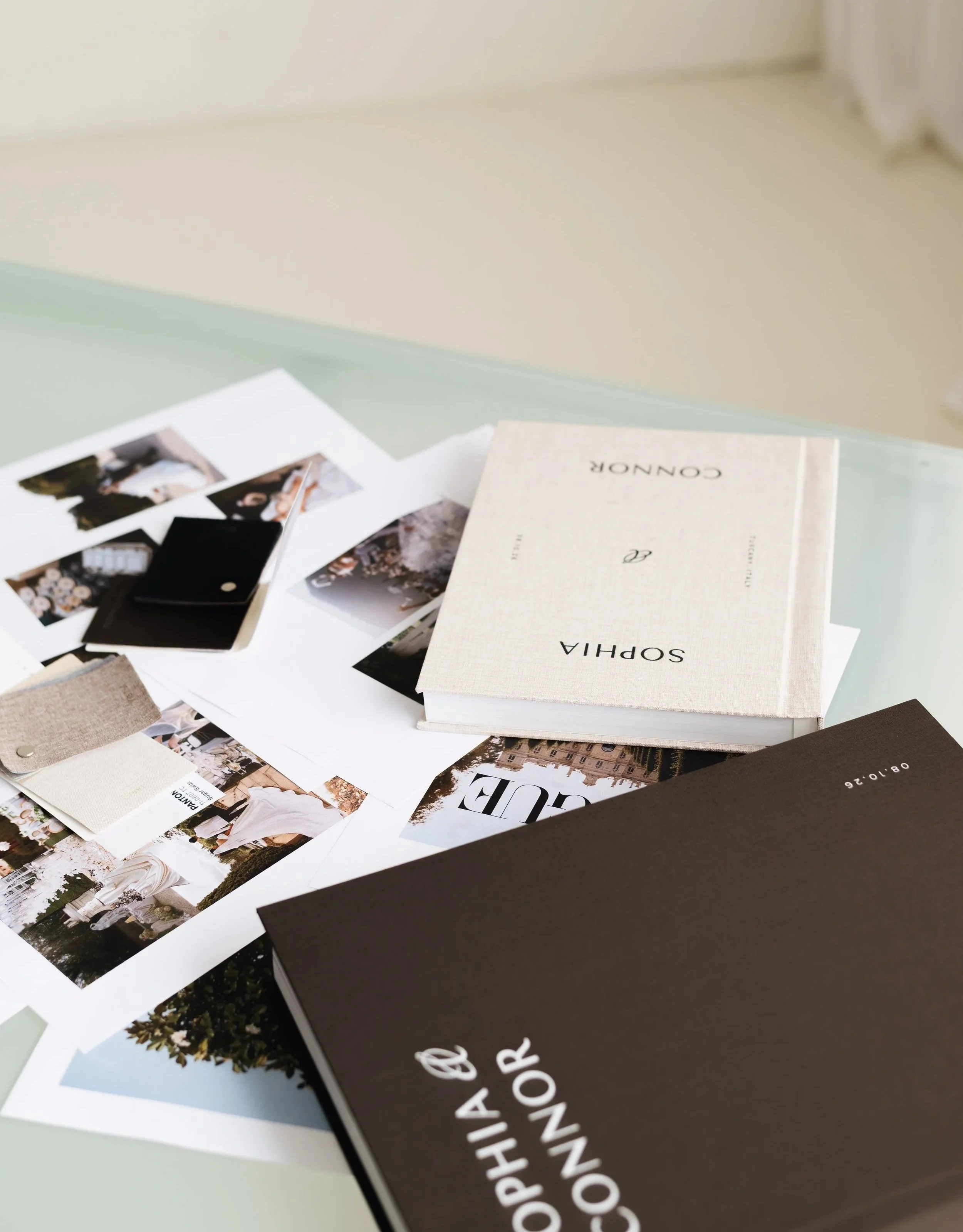
Every cover in the collection is wrapped in linen and finished with bookbinding techniques developed for fine editions. Linen ages the way good fabric ages. It does not crack, it does not peel. It softens, slowly, over decades.
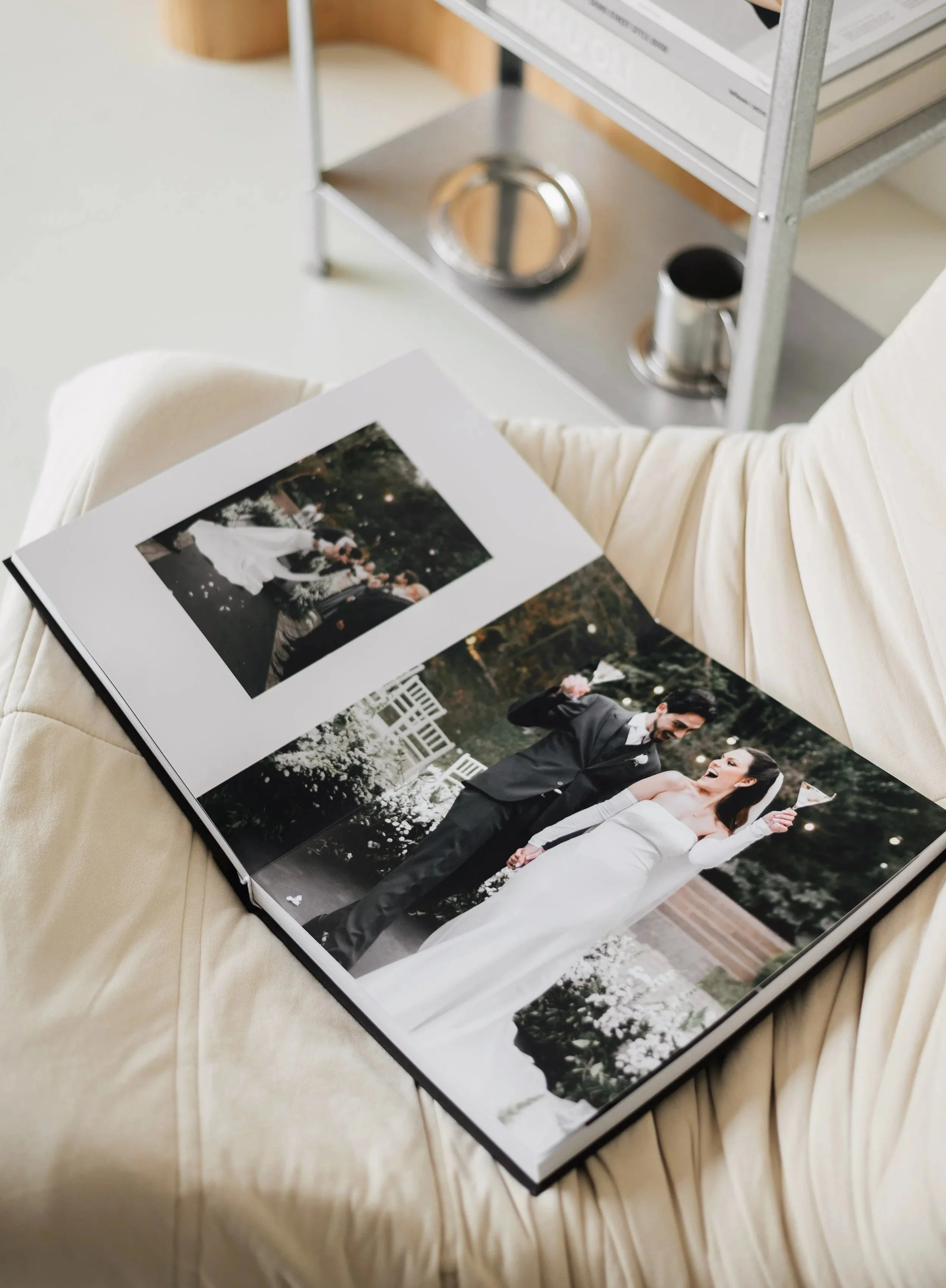
The Atelier is layflat bound: the pages are mounted on a flexible substrate that lets the book open completely flat across two pages. No spine cuts into the photograph. No portrait is divided by the binding. The image opens the way the photographer composed it.
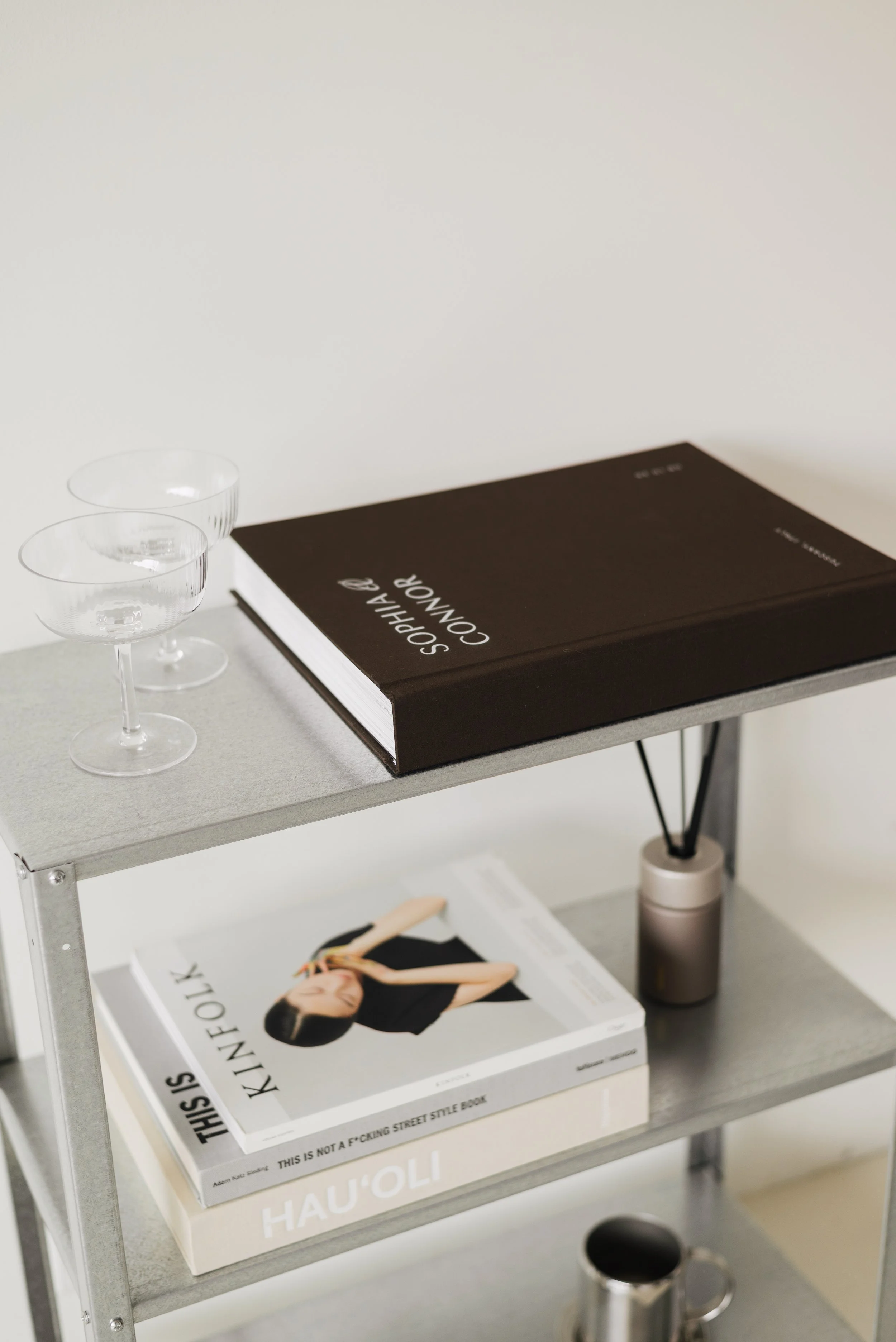
The Monograph is fine art album bound: the technique used by museum publishers and gallery editions, with heavier boards and deeper plates. The names and date are debossed into the linen cover using a metal die, not printed on the surface. You feel them before you read them.
The partners.
We design from the Netherlands. We do not bind books ourselves.
Doing it well requires industrial bookbinding equipment, master bookbinders with decades of training, and an archival paper supply chain that we have no business pretending to manage. So we partner with the people who do.
Our American production house specializes in fine bookmaking. They work with master bookbinders, source archival materials, and run their atelier to a quality standard that matches what we design to. Their facility is in Asia, where the best bookbinding production in the world has been concentrated for decades. The same atelier capacity that produces art books for museum publishers and editions for fine art galleries.
Every book we sell is bound there. Every book is shipped from there to your door.
This is the model that lets us design at our standard, and let craftsmen build at theirs. We do what we do best. They do what they do best. You receive the result.
From your gallery to your door.
One. You send us your photographs. A link to your gallery from your photographer, or your selection if you have already curated. We work from what you send.
Two. We design your book. Every spread is shaped by our designers, page by page. You receive a digital proof of the full book before anything is printed. You give feedback. We refine. We finalize.
Three. Production begins. Once you approve the proof, the book moves to production. Standard production time is four weeks. The Monograph requires six to eight weeks, due to the fine art binding technique.
Four. The book arrives. Your book ships directly from our production atelier. Tracked, insured, and packaged in archival materials. It arrives at your door ready to be placed on the table.